Table Of Content

Incorporate natural elements, such as plants or natural light, to bring a sense of tranquility and connection to the outside world. Consider using essential oils or scented candles to create a sensory experience and enhance the learning environment. When envisioning kindergarten room ideas, don’t restrict your creativity to plain walls.
Kindergarten Classroom Setup
Create nature journals where students can record their observations and reflections. Encourage them to use their imagination to create stories or drawings based on their outdoor experiences. A dedicated private space is necessary for children to have some private time for reading or doing a quiet activity. A study shows that children spent much more time on an activity when they are in a smaller room instead of the standard classroom. Private, reduced-scaled spaces are one of the kindergarten classroom design principles.
Plan for quiet time
Remember, you can always change it, if the design is not working for you or your students. Vietnamese architecture studio Kientruc O designed the kindergarten to be a giant playhouse for young children, with a colourful exterior facade and unusual openings. A quiet, cozy corner can make a world of difference in creating a conducive reading environment. Perhaps a tiny lamp for that warm, inviting glow or a canopy to create a sense of privacy and a little 'secret' space for the children. Movable furniture can create different zones for specific activities, like storytime or art, providing a tangible context for transitions between tasks. This isn't just any room—it's a carefully designed, engaging preschool classroom.
The Ultimate Checklist For Setting Up Your Kindergarten Classroom
Designing for Kindergarten, Pre or play schools are a creative as well as sensible task. If you are planning to open such facility for children, you should definitely take assistance of specialized Architect or Interior designers for the same. In general, there is usually a large space in between of classroom typically with low ht. Big sized round table to be used as children group reading and activity area, eating or sometimes even to take a nap. As Kindergarten schools imparts learning through informal ways, hence instead of fixed arrangement of seating there are generally flexible options for children to sit.
Design and Building Awards — Albuquerque Public Schools - Albuquerque Public Schools
Design and Building Awards — Albuquerque Public Schools.
Posted: Tue, 15 Jan 2019 02:52:17 GMT [source]
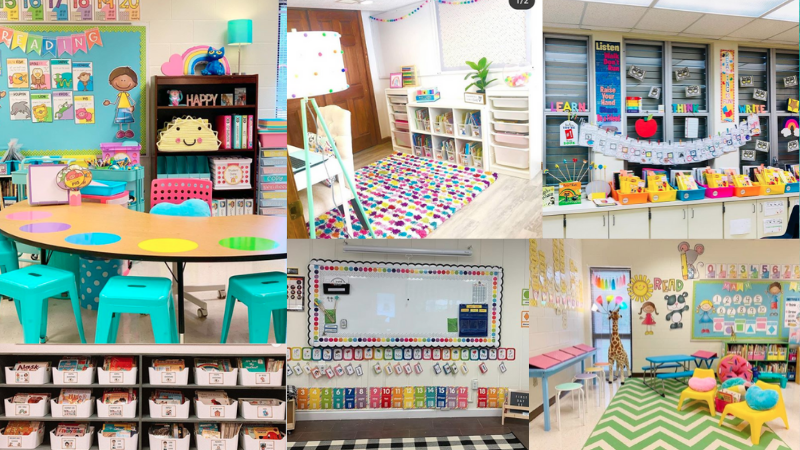
It is vital to let nature be an integral part of the interior design in kindergarten. Through the interaction, the children will learn and acknowledge their roles in taking care of mother earth. A drama play area in a kindergarten classroom encourages imaginative play and social interaction. This area can be equipped with costumes, props, and a small stage or puppet theater. It provides children with opportunities to express themselves, act out stories, and develop communication skills. Surrounding this area with educational posters, magnetic letters, and numbers enhances its utility.
A neutral background for your classroom with a few well-chosen accent colors will create interest that is focused on the children and adults who inhabit the space. Create a designated play area, indoors or outdoors, to ensure that children have a safe space to exercise. Art tools include a range of supplies such as crayons, markers, paint, brushes, scissors and glue. Providing a variety and quality of art materials encourages children to explore their creativity.
Beautiful Decor Ideas : 5 Interesting Ways to Decorate Preschool
Multiple sources of light create an ambiance of relaxation and contemplation. By using light in supportive ways, children are able to interact creatively with others and the environment. Choosing a theme, wall decorations, and selecting appropriate lighting and curtains play a significant role in shaping the classroom’s atmosphere and functionality. Children’s stationery includes child-safe scissors, large crayons, washable markers and glue sticks. Providing a variety of stationery caters to different activities and developmental stages. Using containers, trays or labeled drawers helps keep stationery organized.
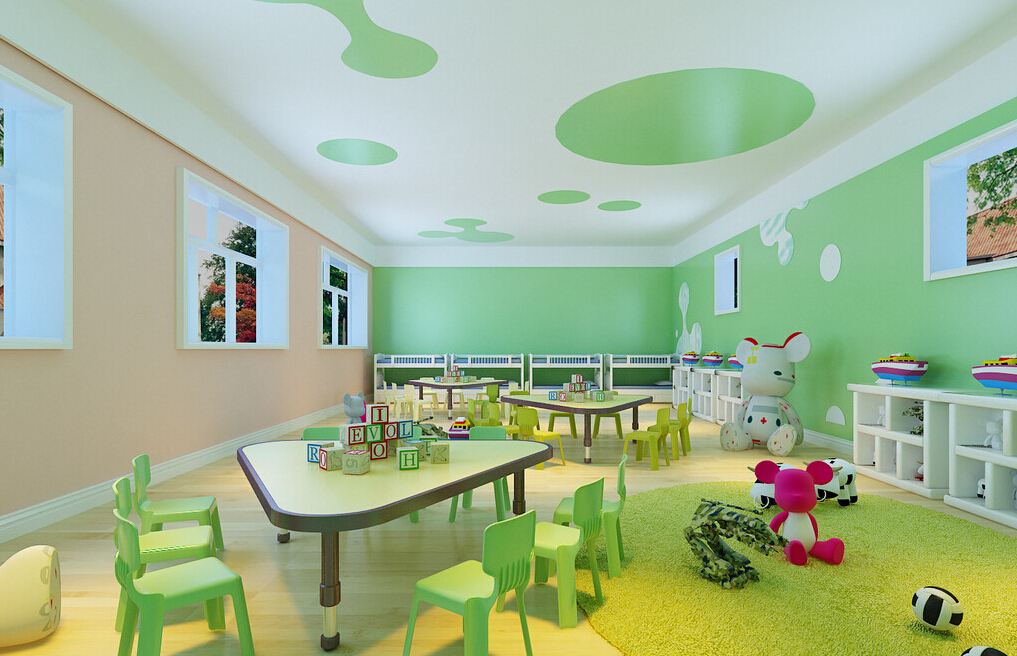
Imagine a bustling preschool classroom where little feet scurry around, exploring an environment designed for their growth and learning. Now, picture this - amidst all the excitement and discovery, safety is the cornerstone of this space. In your classroom setup for preschool, safety should be a top priority. Make sure there are plenty of interesting materials for children to explore, and that the layout of the room encourages them to move around freely. Encourage them to ask questions and experiment with different activities. And, most importantly, make sure they feel comfortable taking risks in their learning.
Carefully planes Wall space.
According to Grangaard (1993), alpha brain waves can be altered, and hormones that alter our mood and provide clarity of mind can be released with the effect of colors. When it comes to kindergarten classroom design, it is important to know that different colours define different meaning and mood. Your kindergarten classroom may not be very big, but with creativity, you can create a dynamic learning environment for your students. Children’s learning is motivated by “interest,” and increasing activity interest is one of the most effective strategies to improve the teaching effect and increase children’s learning initiative.
In conclusion, crafting a comprehensive kindergarten classroom involves meticulous planning, a deep understanding of child development, and a passion for teaching. With this guide, I aim to provide valuable insights for creating an environment where children can thrive and grow. Remember, each child’s journey is unique, and as educators, our role is to nurture and guide them on this path of discovery. Walls in a kindergarten classroom are not just structural elements but canvases for learning and creativity.
A new kind of kindergarten design encourages kids to be their silly selves. - Upworthy
A new kind of kindergarten design encourages kids to be their silly selves..
Posted: Tue, 09 Jun 2015 14:10:38 GMT [source]
The space even has a kitchen area that lets budding chefs concoct a range of healthy dishes. And for those times when you just have to move, there’s an active area that encourages kids to run, slide, climb and hide. An often-overlooked aspect of modernism is a concern with childhood education. Architects and designers from Isamu Noguchi to Harry Weese and psychologists such as Maria Montessori and Loris Malaguzzi reconsidered how kids should play and learn. This broad movement helped to dismiss formal and authoritarian ideas on parenting favored in the Victorian area to a friendlier and more egalitarian model.
There is so much to keep in mind when designing a kindergarten classroom! Not only do you have to plan out the physical space, but you have to organize what you have on your walls as well. You probably want your arrival/dismissal information and emergency information by the exit door. Standards and focus items such as your word wall will be in high priority areas such as the white board or your whole group area. Then you want your students to reference academic posters or materials when they are in their different centers.
This includes ensuring that all furniture and equipment are child-safe, non-toxic, and meet relevant safety standards. Emergency procedures should be clearly outlined and easily accessible. The classroom should be adaptable, allowing easy reconfiguration to suit different activities and teaching methods. This flexibility helps in accommodating diverse learning experiences and student interactions. Use a variety of materials and resources to create an engaging environment that captures children’s interests. Incorporate technology, such as interactive whiteboards, to add another level of engagement.


No comments:
Post a Comment